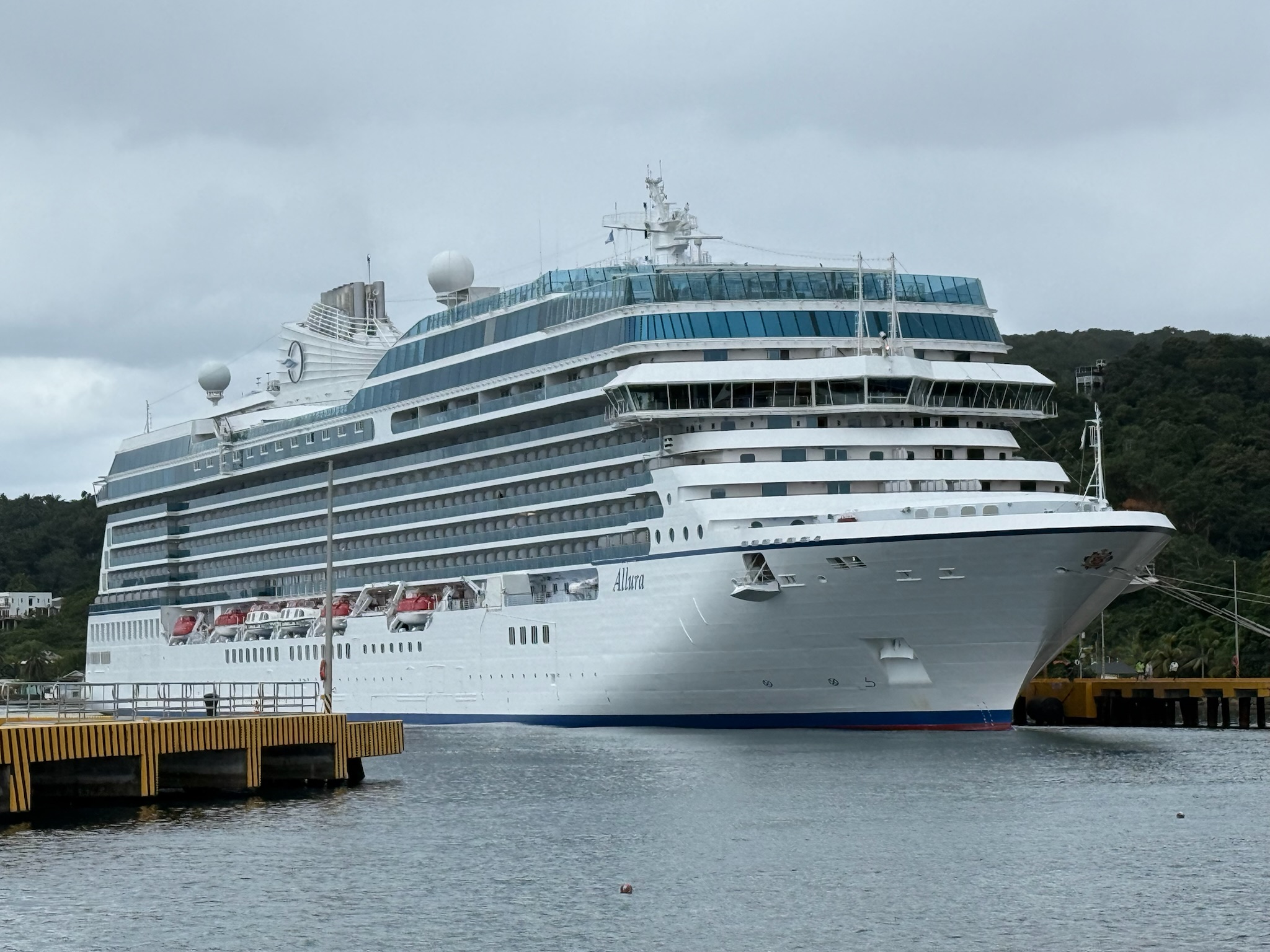
On January 27, 2026, we locked up our trailer at the JCO Campground near Fayetteville, North Carolina, and flew to Miami to begin the next leg of our winter adventure. There is something uniquely liberating about securing the RV, handing your fate to Delta and Oceania, and knowing that for the next two weeks someone else will cook, clean, and manage propulsion.
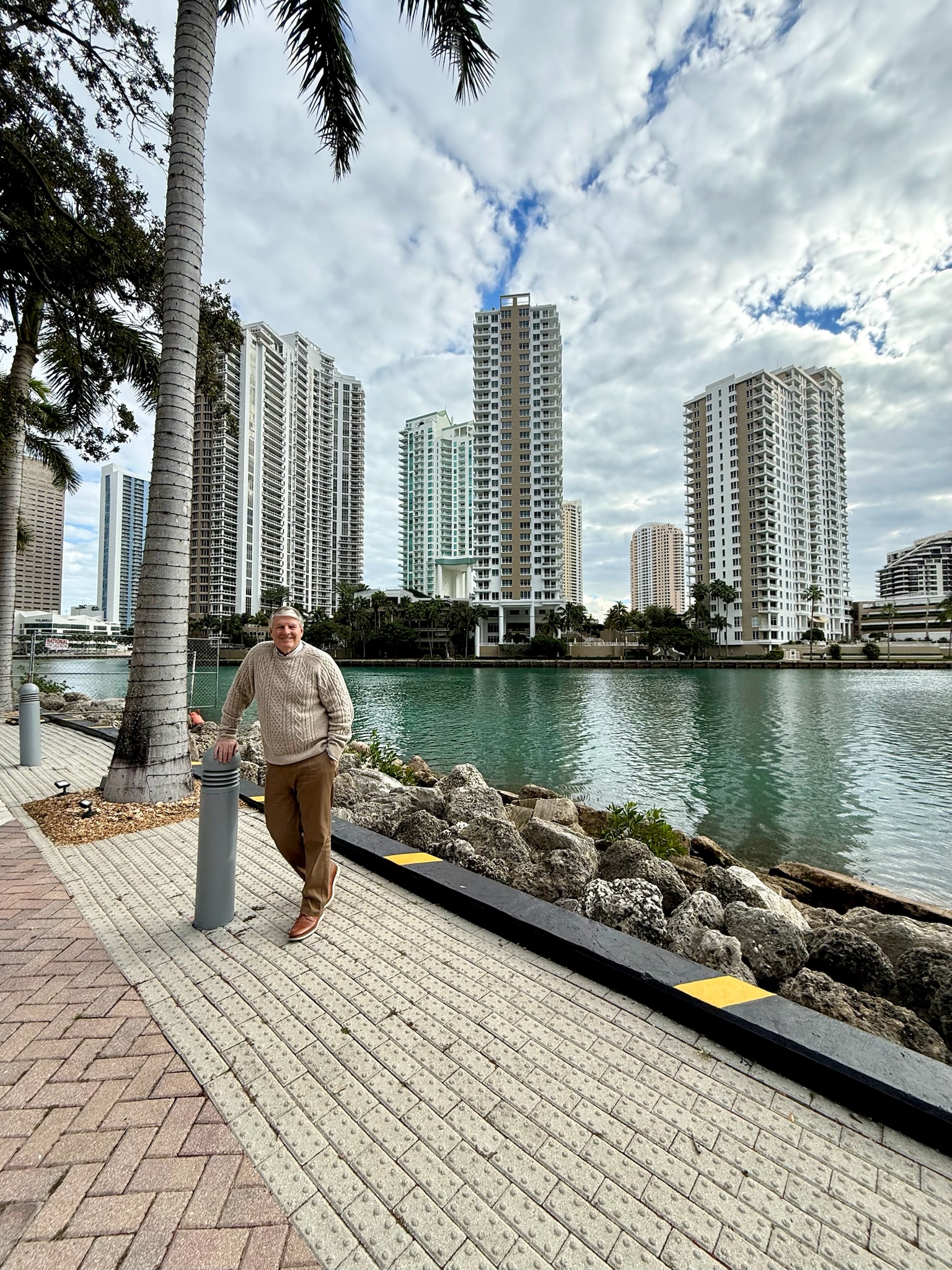
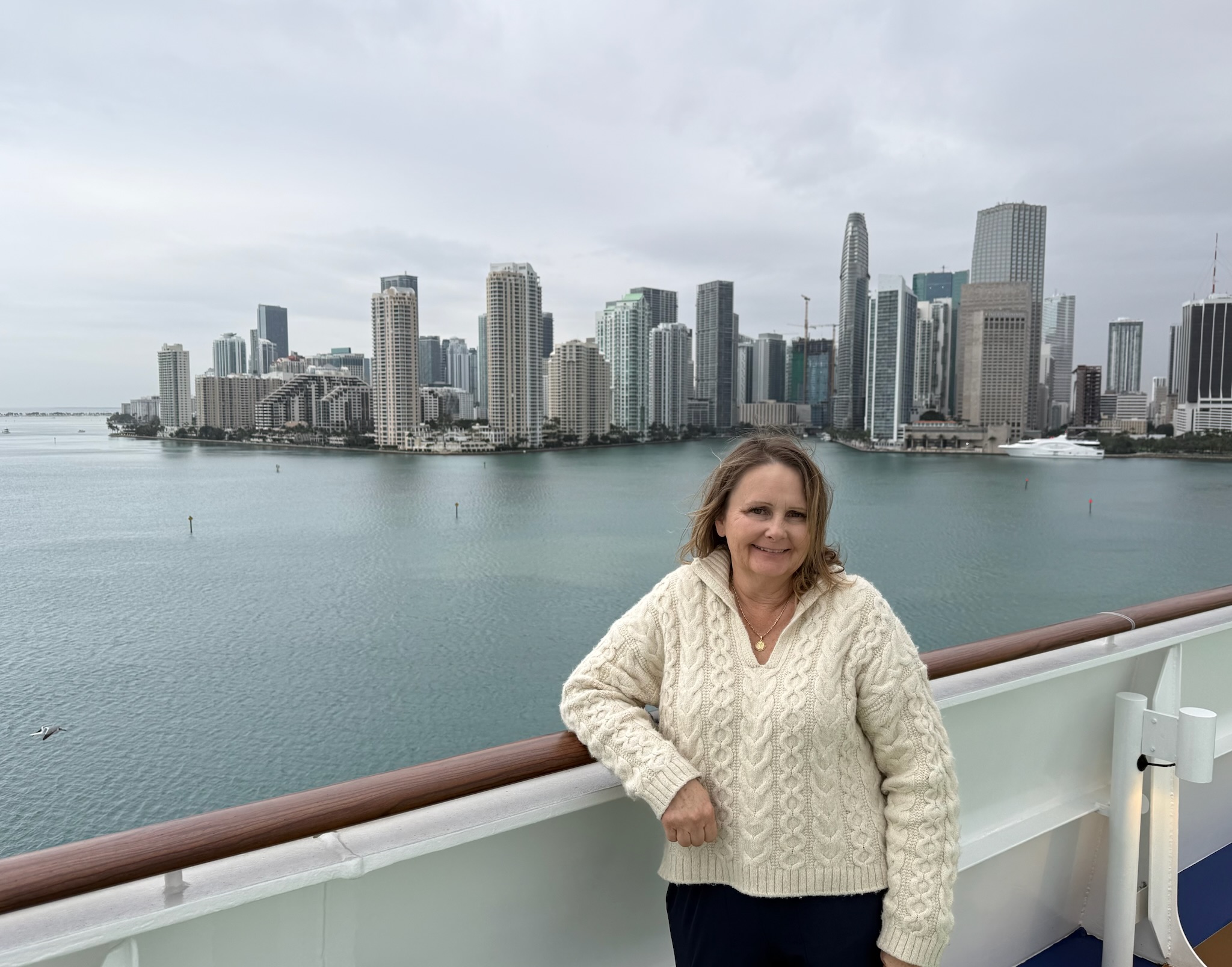
We arrived in Miami mid-afternoon and stayed in the Brickell district, which feels like Manhattan relocated to the tropics—glass towers, palm trees, and people walking briskly. That evening we walked to a local place for dinner. It was relaxed and unhurried, the perfect pre-cruise evening when anticipation does most of the work.
The next morning we had breakfast at B Bistro + Bakery—excellent food and pastries to prepare us for embarkation logistics. An Uber delivered us to Terminal J at Port Miami, where we handed off our large bag, waited in the seating are for an hour, and boarded around 2:00 p.m. As we got up to stand n the long lines to board, someone directed us to the Black line that had absolutely no one in it. We passed hundreds of people, and walked right on. I don’t know how that happened, but it was joyous.
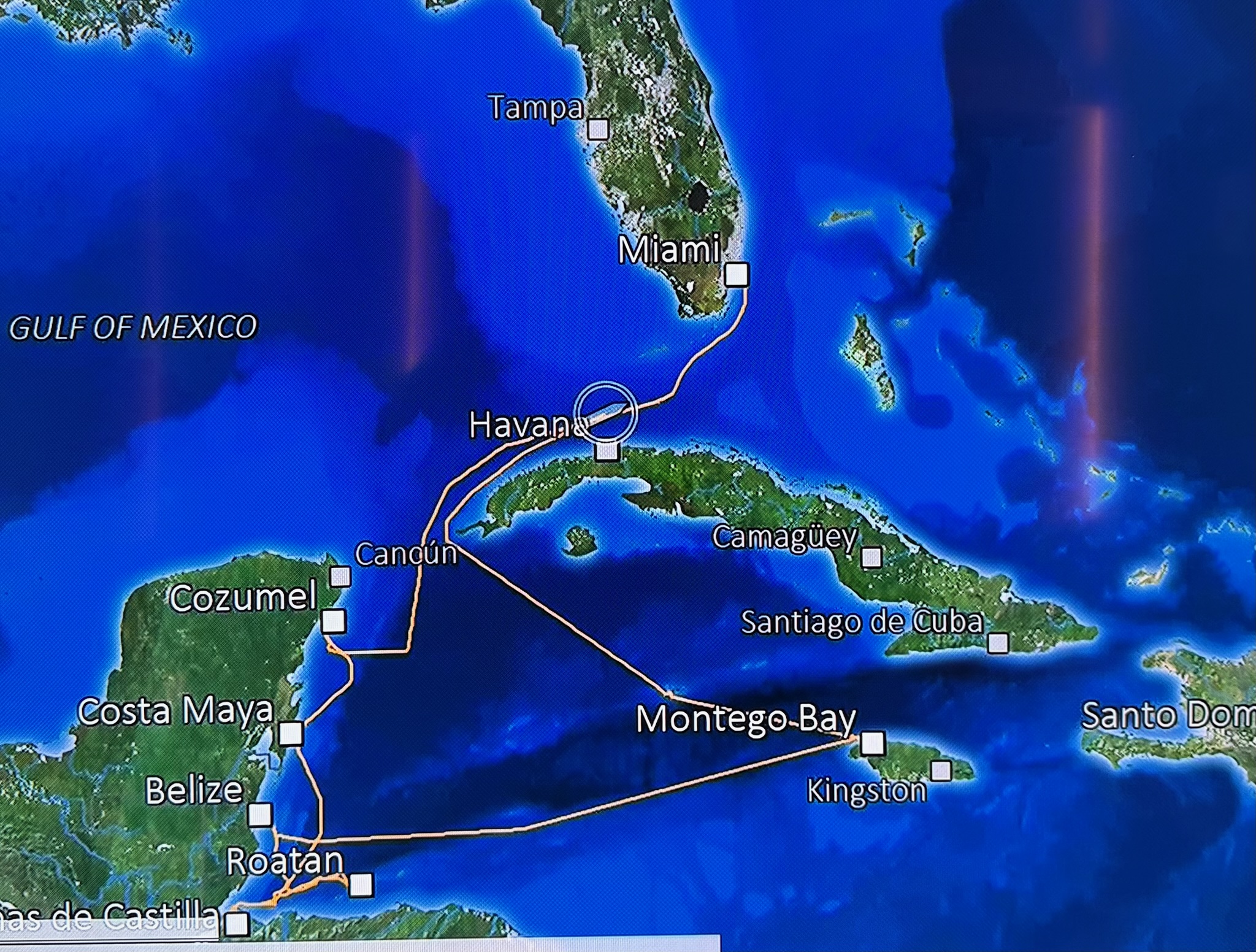
We boarded Oceania’s Allura for a 12-day “Mesoamerican Marvels” voyage — a Western Caribbean itinerary highlighting ancient Mayan sites, jungle rivers, and island ports. It was an accurate description. The route would take us through the heart of the historic Mesoamerican region, where ruins rise from jungle canopies and rivers still function as highways.
Our cabin, 12005, sat on Deck 12, starboard side. It was one of two smaller concierge cabins tucked between larger suites. We were told these cabins were sometimes used by nannies so they could be near the families with the children they were responsible for. Since Oceania no longer allows children onboard, perhaps that explains how this cabin became available just one week before sailing when we booked. Whatever the reason, it suited us perfectly.
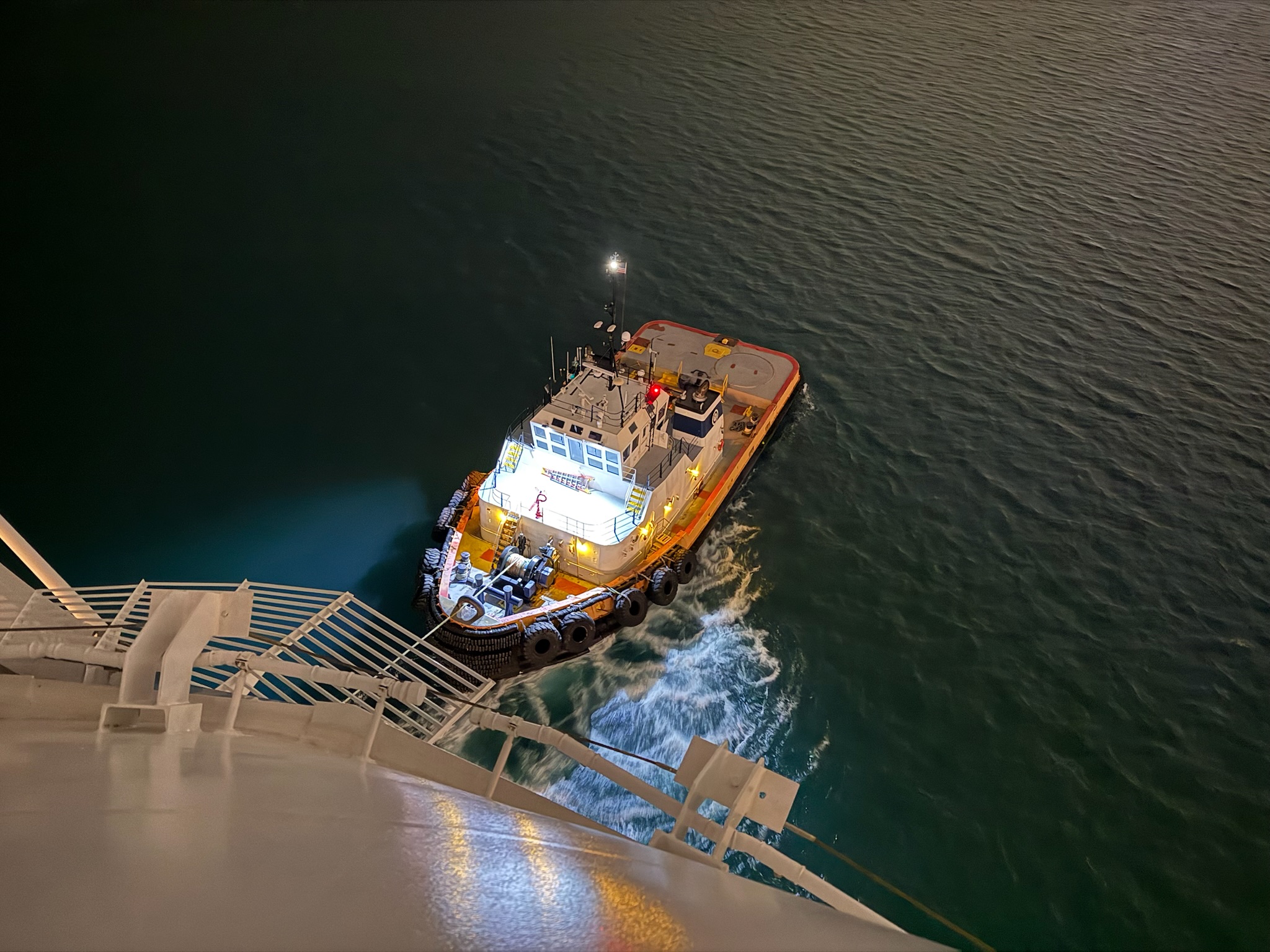
We thought our departure from Miami deserved our full attention. Around 7:00 p.m., the tugs pivoted the ship with quiet precision while the captain threaded Allura between the red and green channel markers. We stayed on deck as the skyline receded and the lights shimmered across the water. It felt ceremonial—an orderly exit from land into something freer.
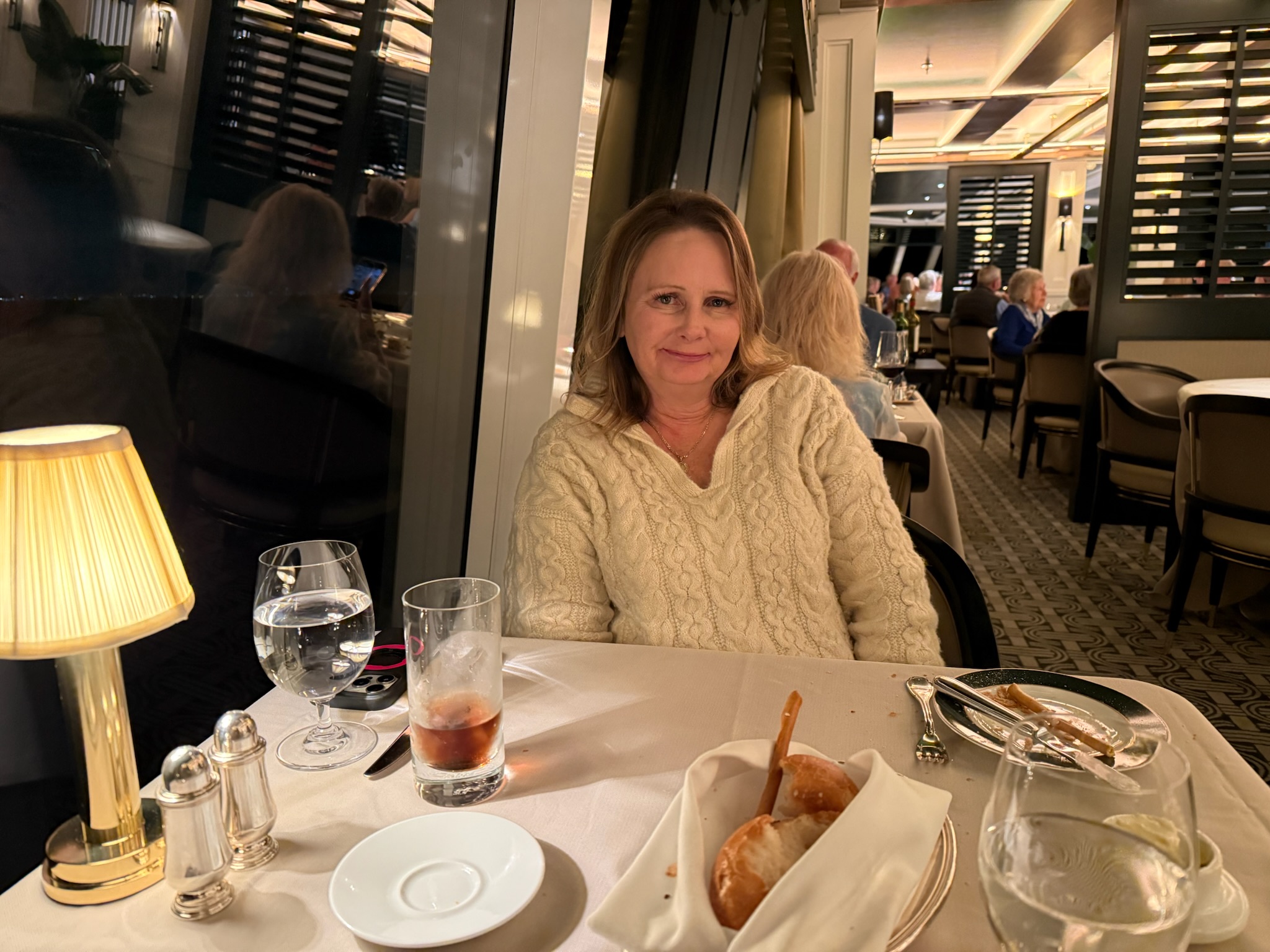
Dinner that evening was at Polo Grill. Excellent steak, attentive service, and a strong opening statement for the voyage. We sampled the specialty restaurants throughout the cruise. Red Ginger delivered refined Asian cuisine. Jacques offered French comfort done properly. Toscana handled Northern Italian with confidence. The Grand Dining Room was consistently excellent. Waves Grill managed casual meals efficiently. The ice cream and crêpe bar saw more repeat visits than originally planned. We worked out once. That fact stands without embellishment.
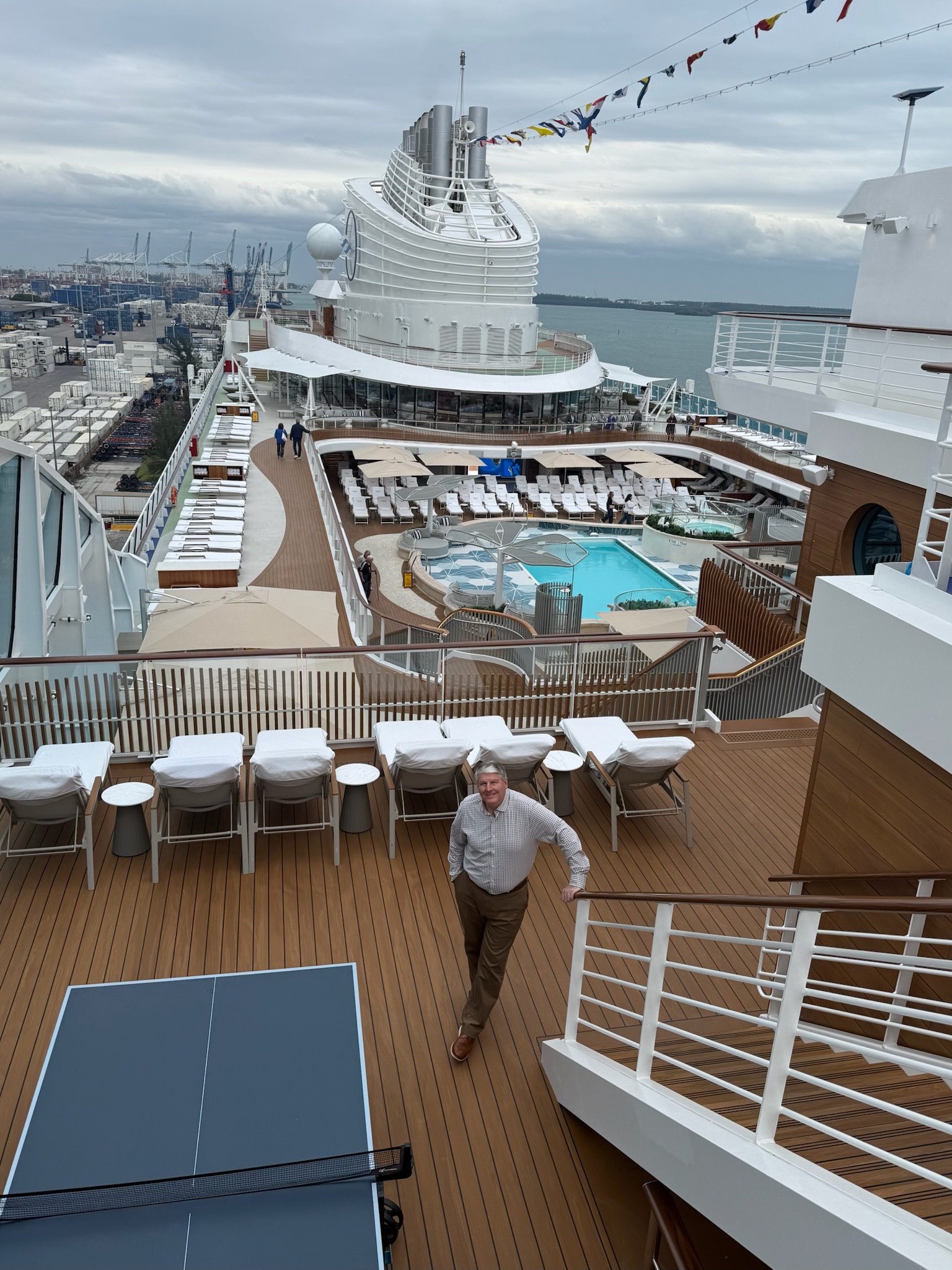
Two full sea days followed. Allura is elegant without being overwhelming. The pool area is modest but beautifully designed, surrounded by comfortable loungers. The concierge sundeck and hot tubs became our headquarters, especially since unusually cool air from North Carolina followed us south. Towels, blankets, wind, and hot water became a recurring theme.
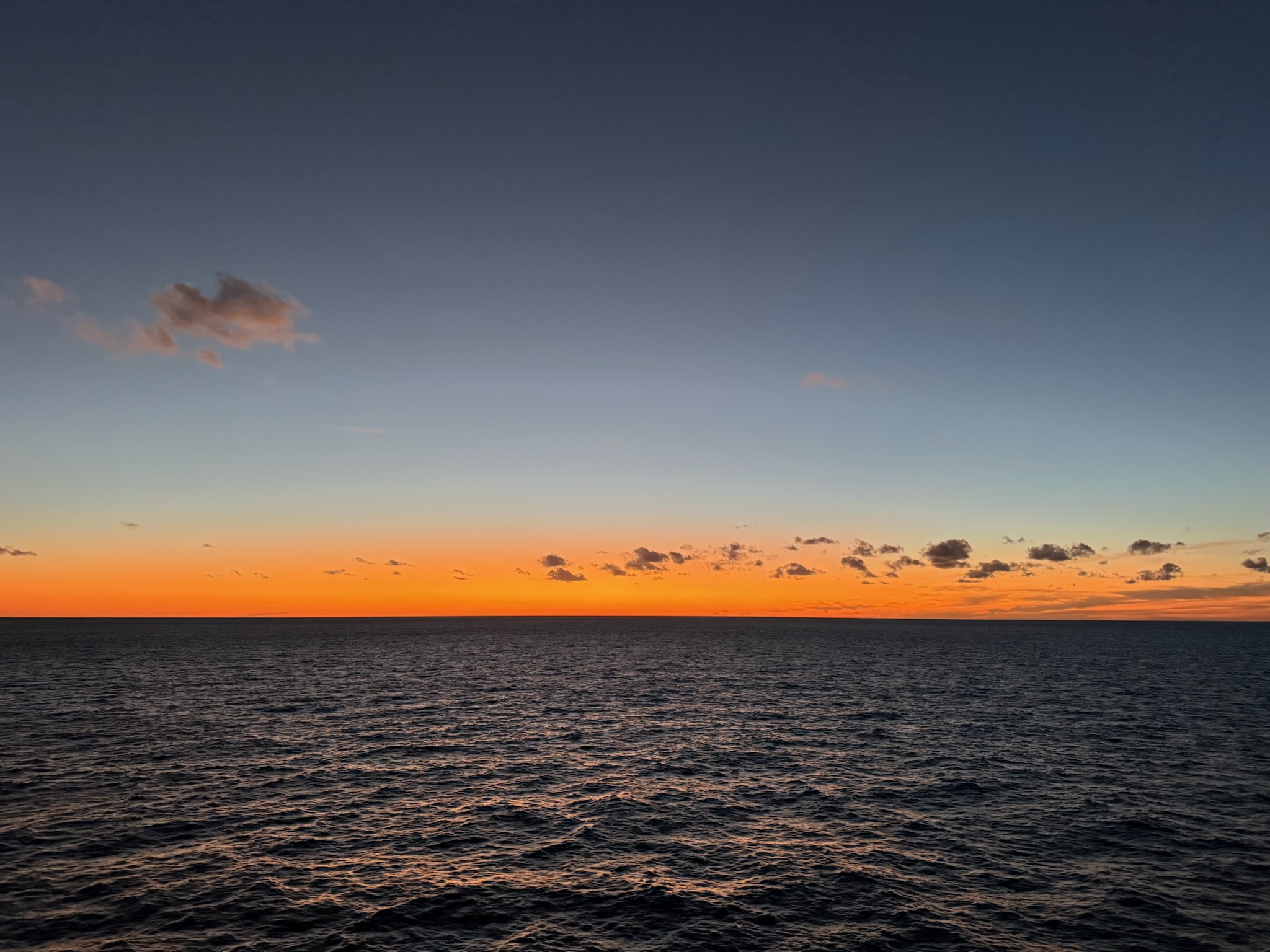
On January 31, we arrived early in Cozumel and had breakfast on the aft deck while watching the sunrise. The light over the water justified the early wake-up.
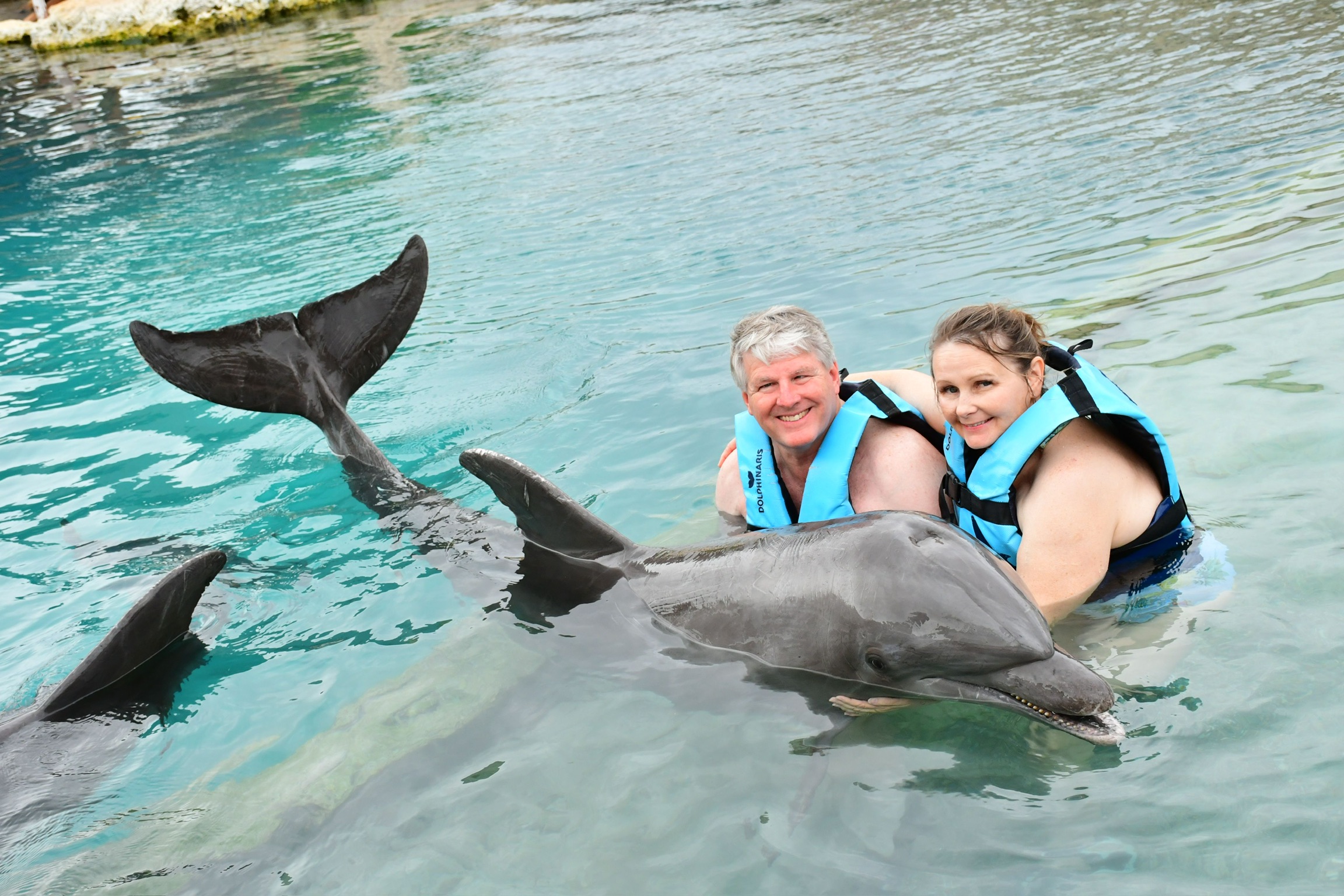
Our excursion was a dolphin encounter. Getting into the water with dolphins is remarkable. They are not soft and delicate; they are dense, muscular, and powerful. They splashed, waved, and delivered choreographed kisses. They will always win a splashing contest. Near the end, a cold squall moved through and we shivered through a mediocre lunch before paying what can only be described as a photo ransom. One does not leave without the evidence. We walked back toward the dock with a pleasant Scandinavian couple, then returned to the warmth of the ship and dinner in the Grand Dining Room.
On February 1 we were scheduled to stop in Costa Maya, but high seas and wind forced the captain to cancel the port. Disappointing, yes—but understandable. Safety outranks itinerary. We leaned into the unexpected sea day by claiming territory near the hot tubs, wrapping ourselves in towels and blankets, and pretending this had been our plan all along.
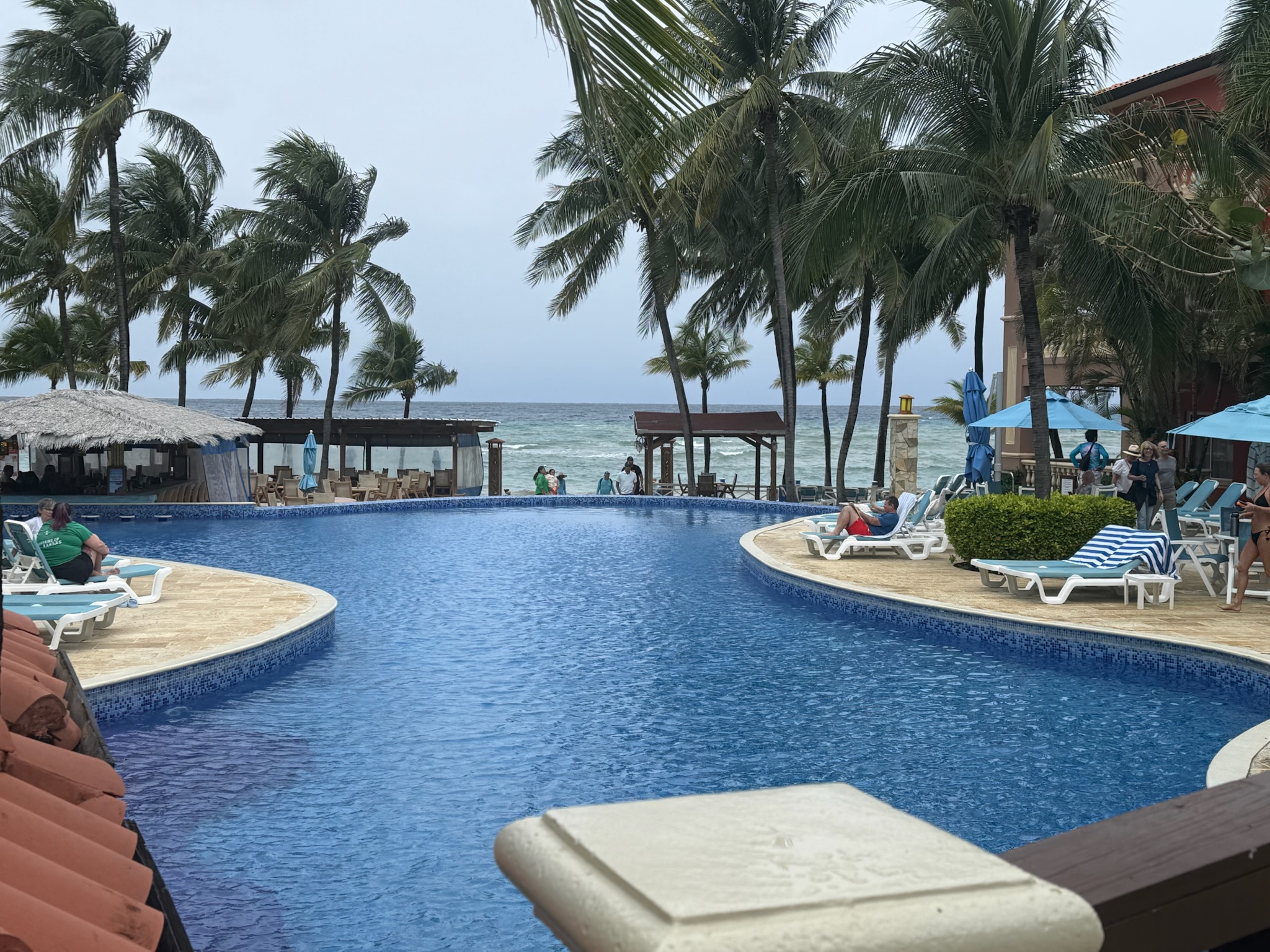
On February 2 we arrived in Roatán, Honduras. We took a taxi to a beach resort intending to swim and relax, but wind and surf had other ideas. The resort was beautiful, and at first glance all seemed well, but when you emerged from the courtyard protection, the wind was blowing, the surf was up. and the water visibility was poor. Not a good day for laying in the sun, snorkeling, and swimming. After finding shelter from the elements for breakfast near the beach, we pivoted and visited the Manawakie Eco Nature Park where monkeys climbed all over us as if we were part of the exhibit.
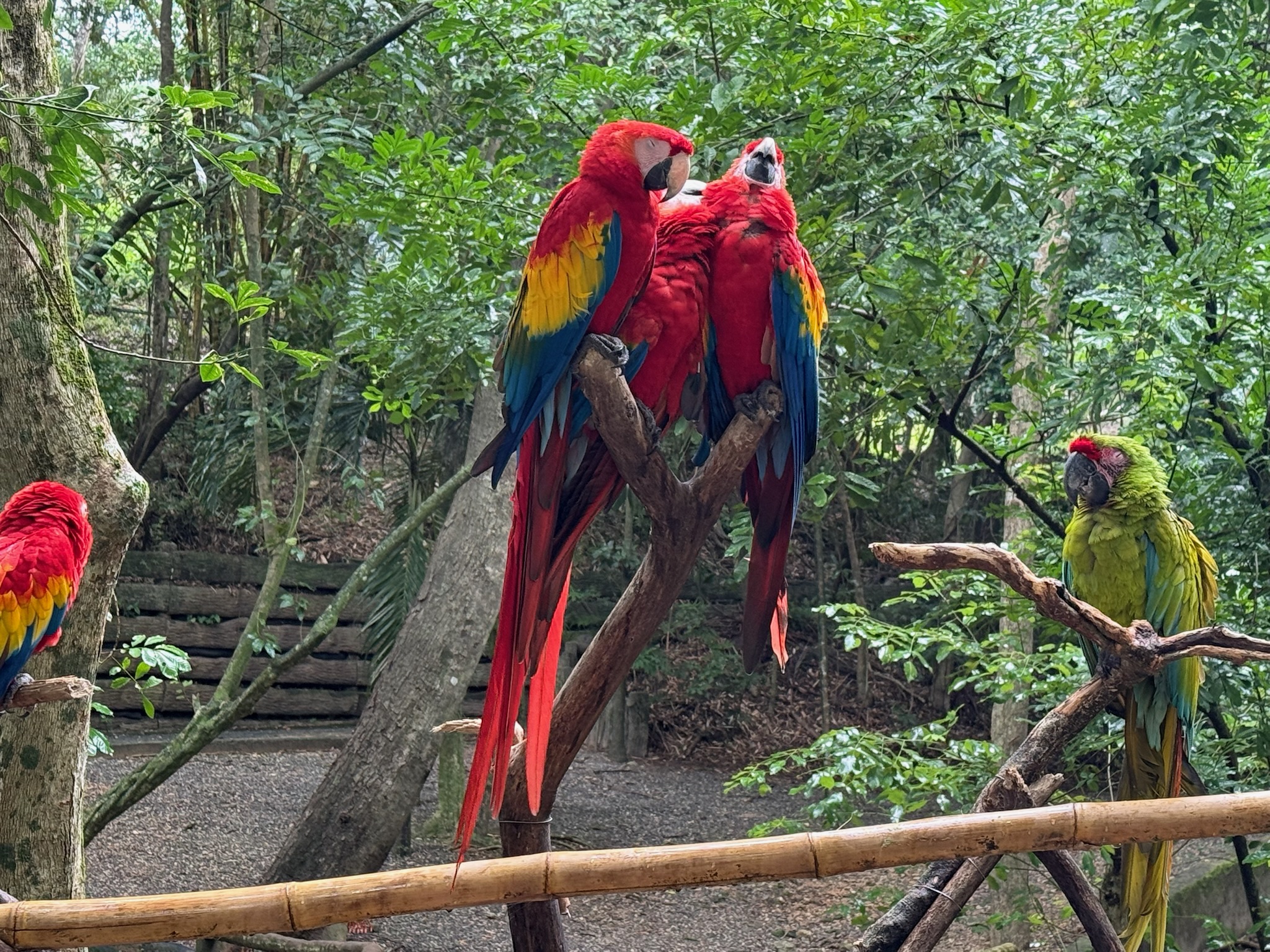
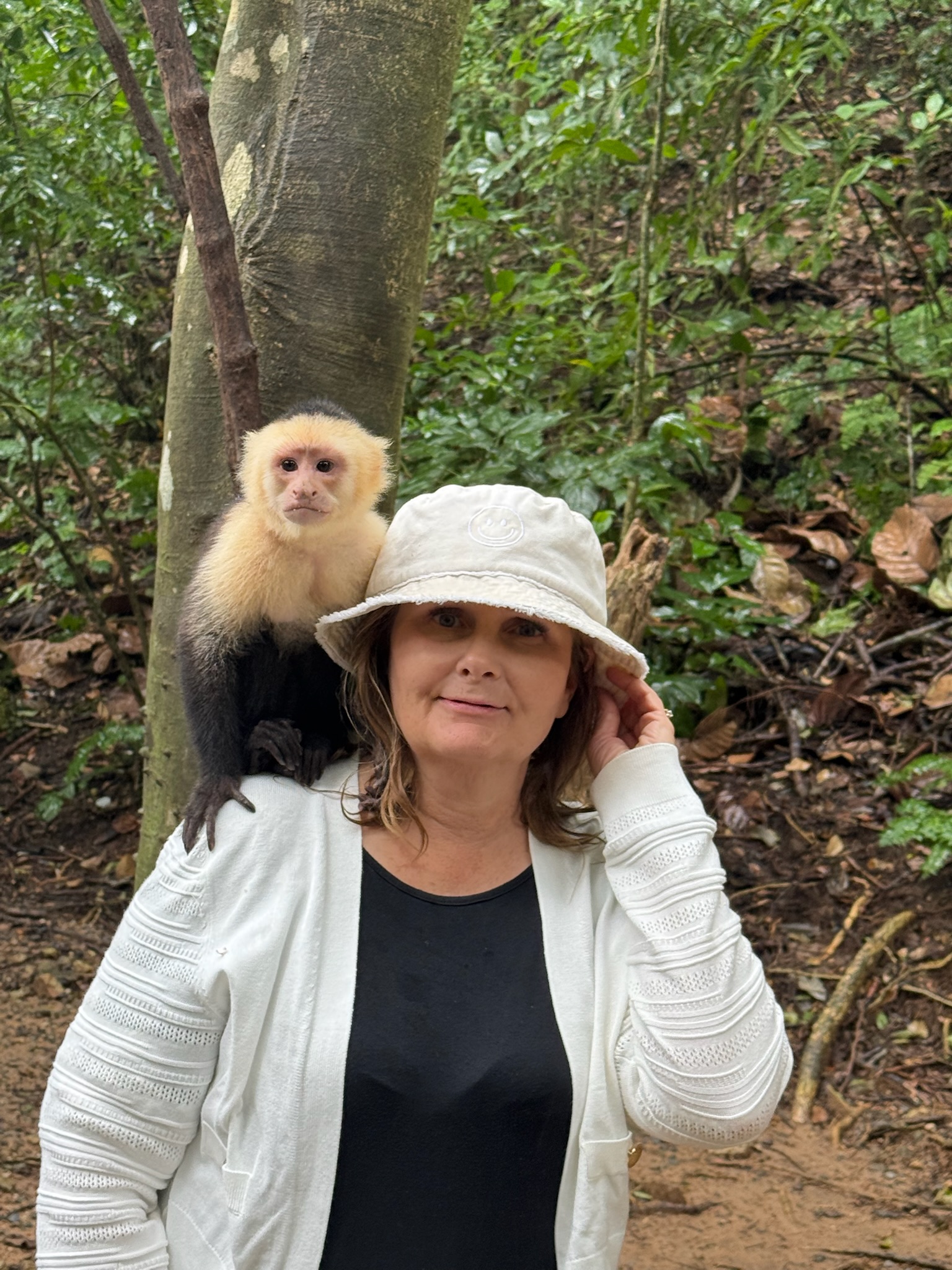
There were brilliant macaws and general cheerful chaos. Back near the dock we wandered through the shopping village—generously described as vibrant strategic retail deployment. Rain intensified. Puddles formed. Linda embraced the moment and jumped into a splash area to play with an inflatable orca while rain poured down. At some point you stop trying to stay dry and simply enjoy being there.
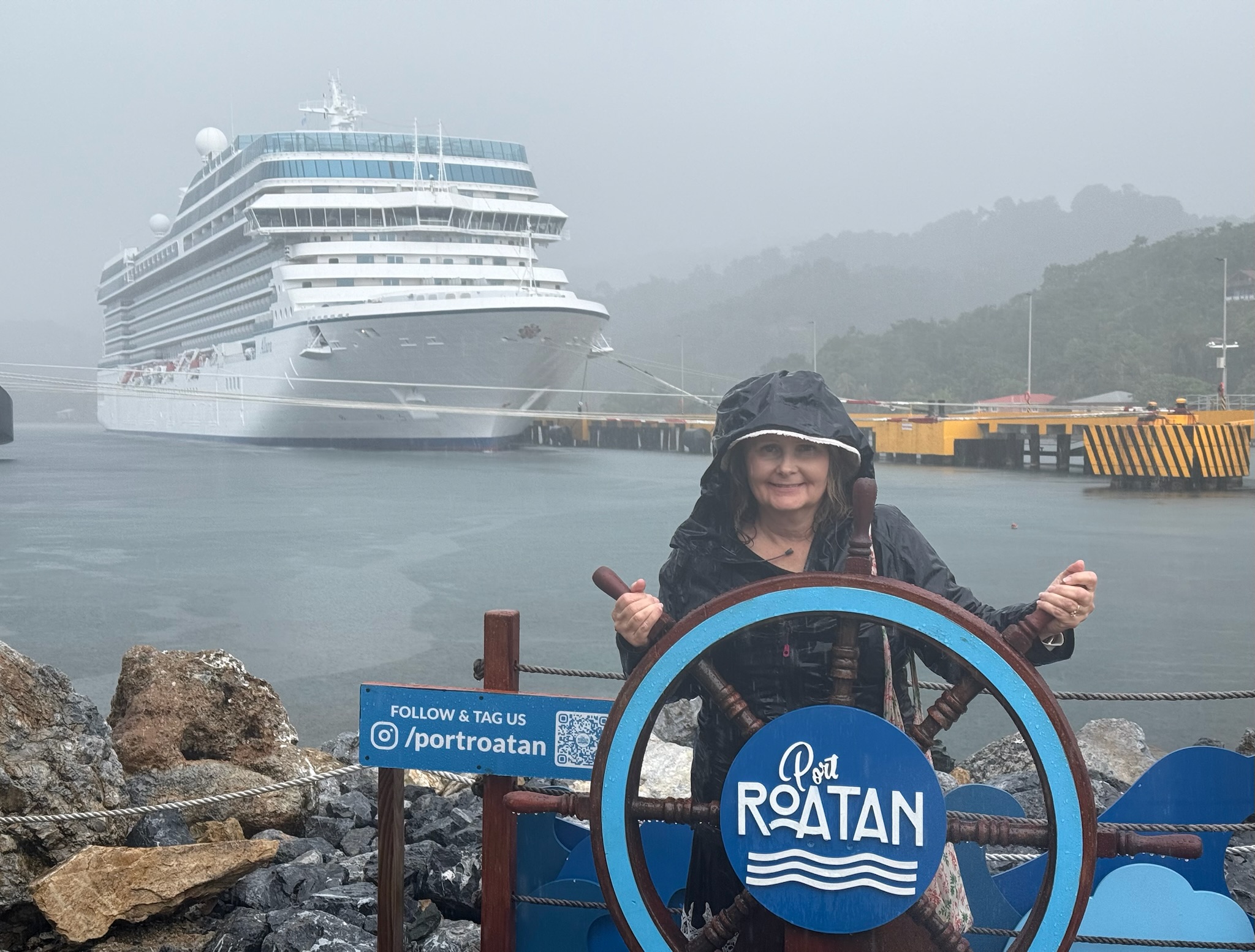
Our final stop before getting back on our ship was a photo opportunity to prove we were truly in Roatán. She’d make a great captain!
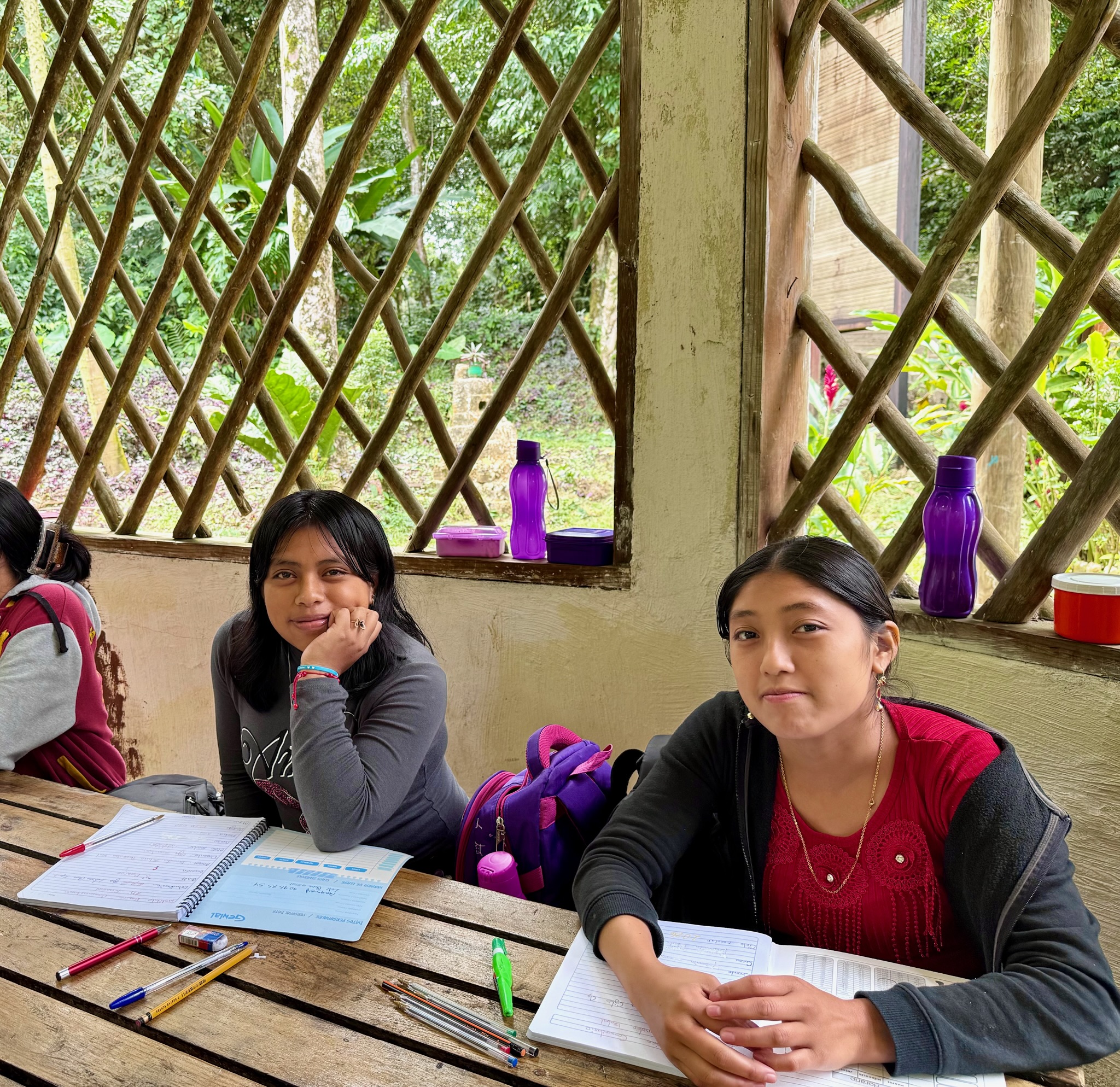
On February 3 we docked in Santo Tomás de Castilla, Guatemala. A fast boat carried us up a jungle river to Ak’ Tenamit, a school providing education and vocational training to indigenous students. The ride itself was memorable—steep clay banks, dense vegetation, abundant birdlife. The school trains students first in Spanish, then equips them with practical skills for employment. Students ranged from very young children to young adults. It was eye-opening and sobering.
Afterward we had lunch at a local restaurant where traditional dancers performed. I think there were two possible meals, and I chose the fish. What was delivered to my plate was the entire fish. I have no idea what kind of fish it was, but I looked at it, it looked back at me, and then I dove in and found it amazingly tasty. During and after our meal locals performed historical dances. They invited Linda up to dance, and she accepted without hesitation. She represented us well!
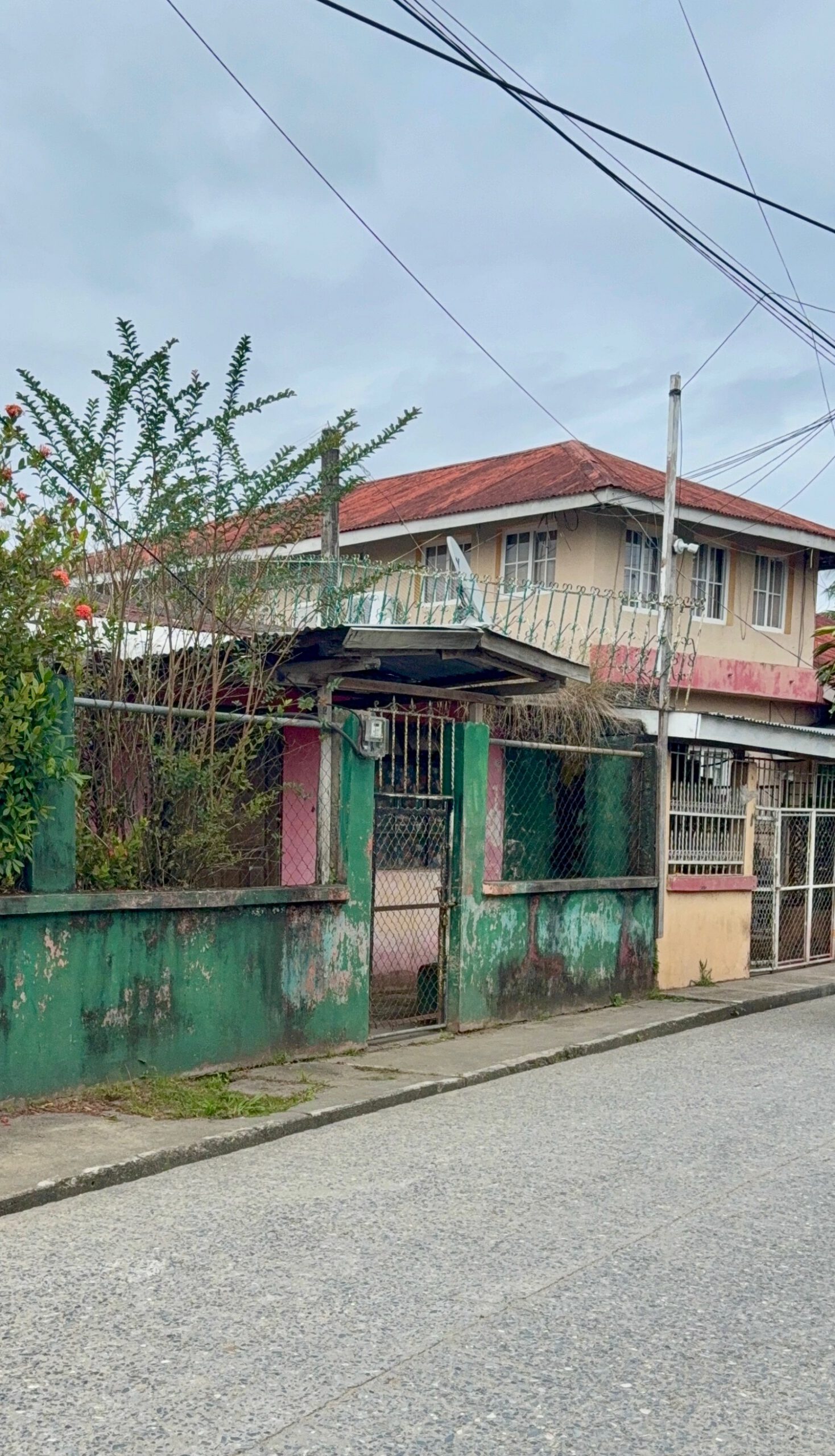
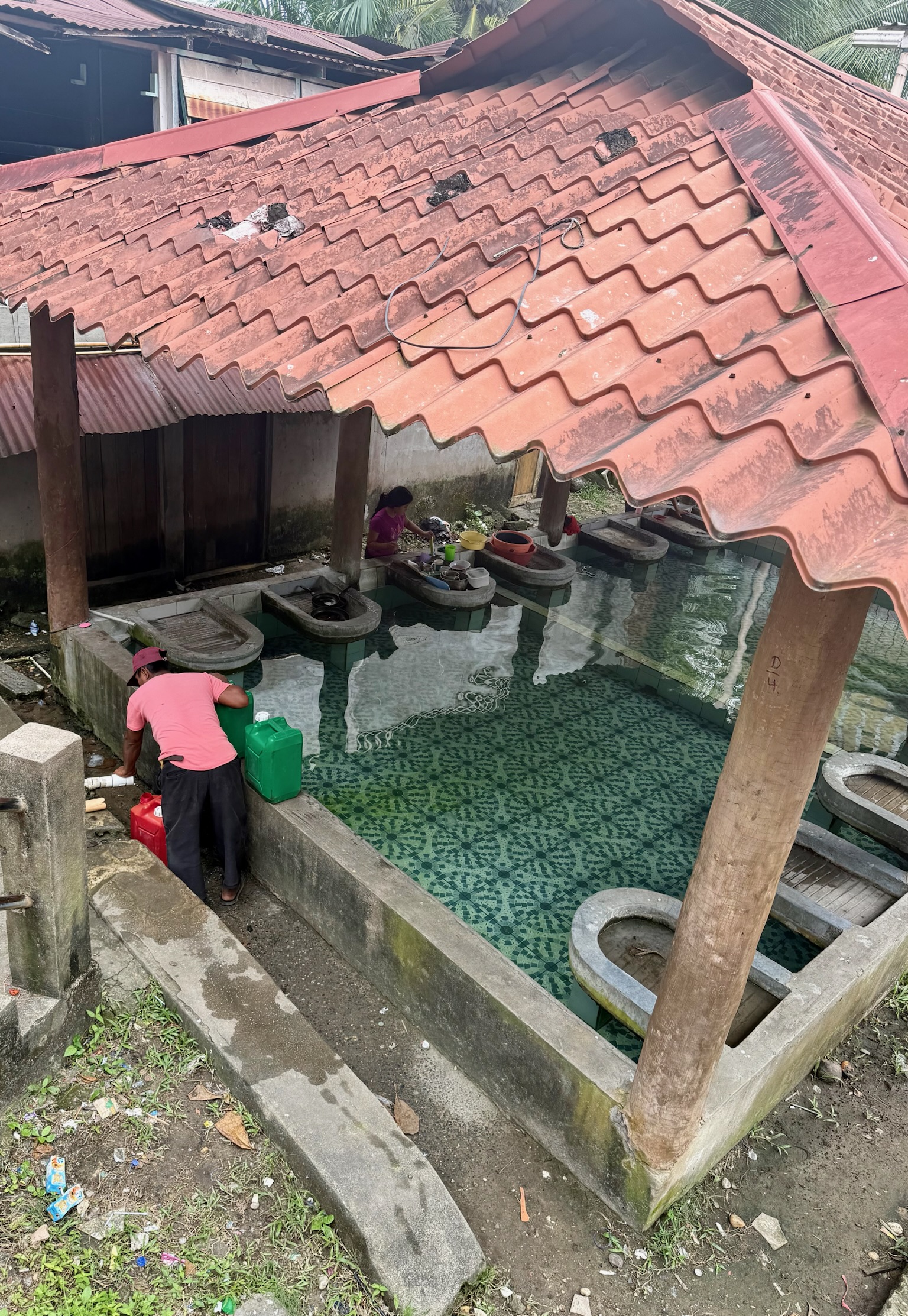
Later we walked through a nearby town and were struck by visible poverty—thin dogs, communal washing areas with large tubs used for clothes, dishes, and bathing. Material wealth was scarce, yet people did not appear defeated. It was instructive in ways difficult to quantify. There were lots of motorbikes, tiny car like vehicles, and bicycles. Everyone seemed to be running about getting their work done, just like everyone else in the world.
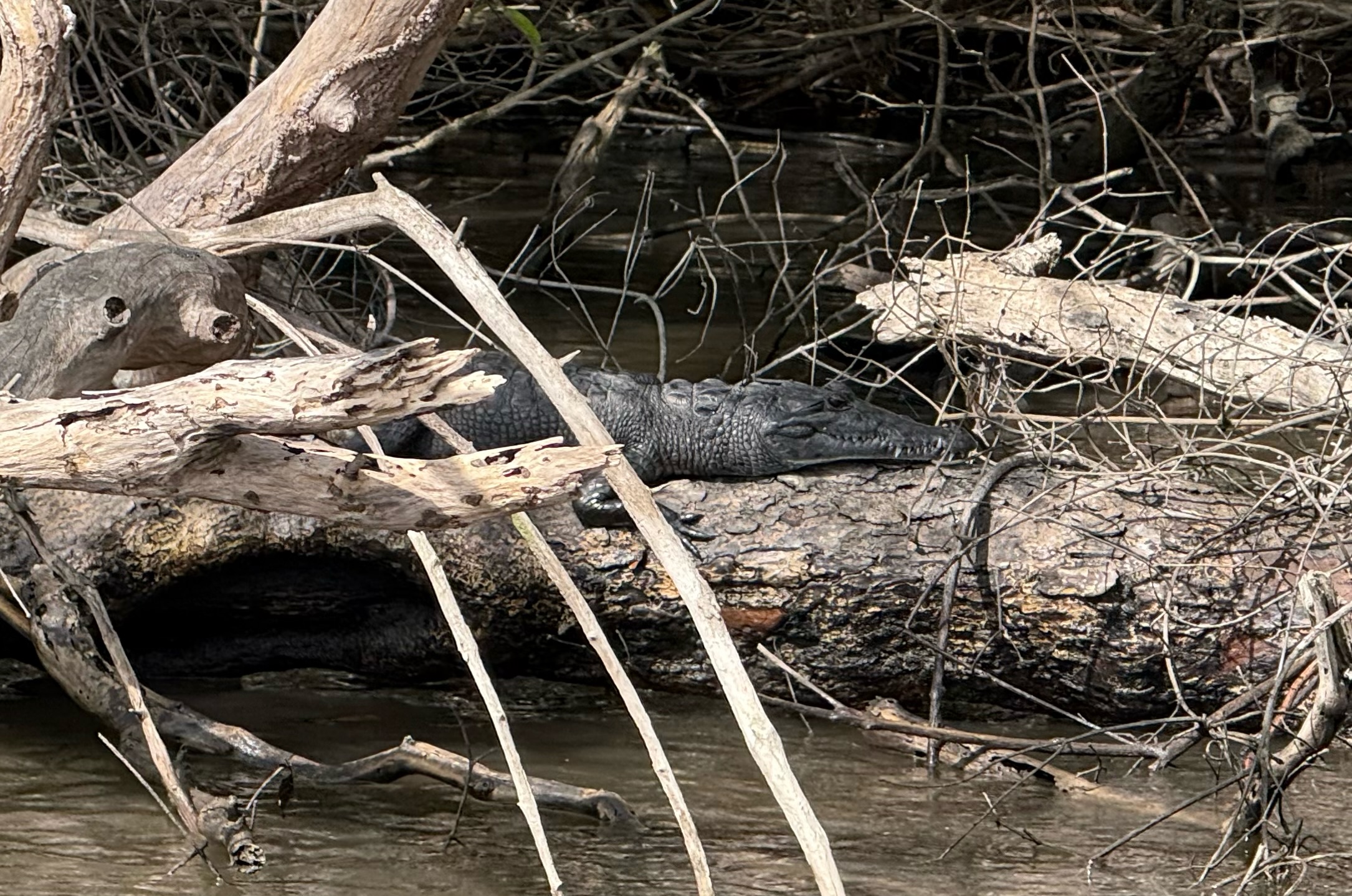
On February 4 we arrived in Belize. Another fast boat carried us up a narrow, winding river at impressive speed toward the Mayan ruins of Lamanai. The river was probably 20′ to 30′ wide in many places with lots of quite sharp turns. Our driver navigated this snaky path at between 30 and 35 mph, while still spotting wildlife. We stopped briefly to look for crocodiles along the banks. Our captain’s keen eyes spotted a couple for us and pulled up very close so we could all find the camouflaged creatures.
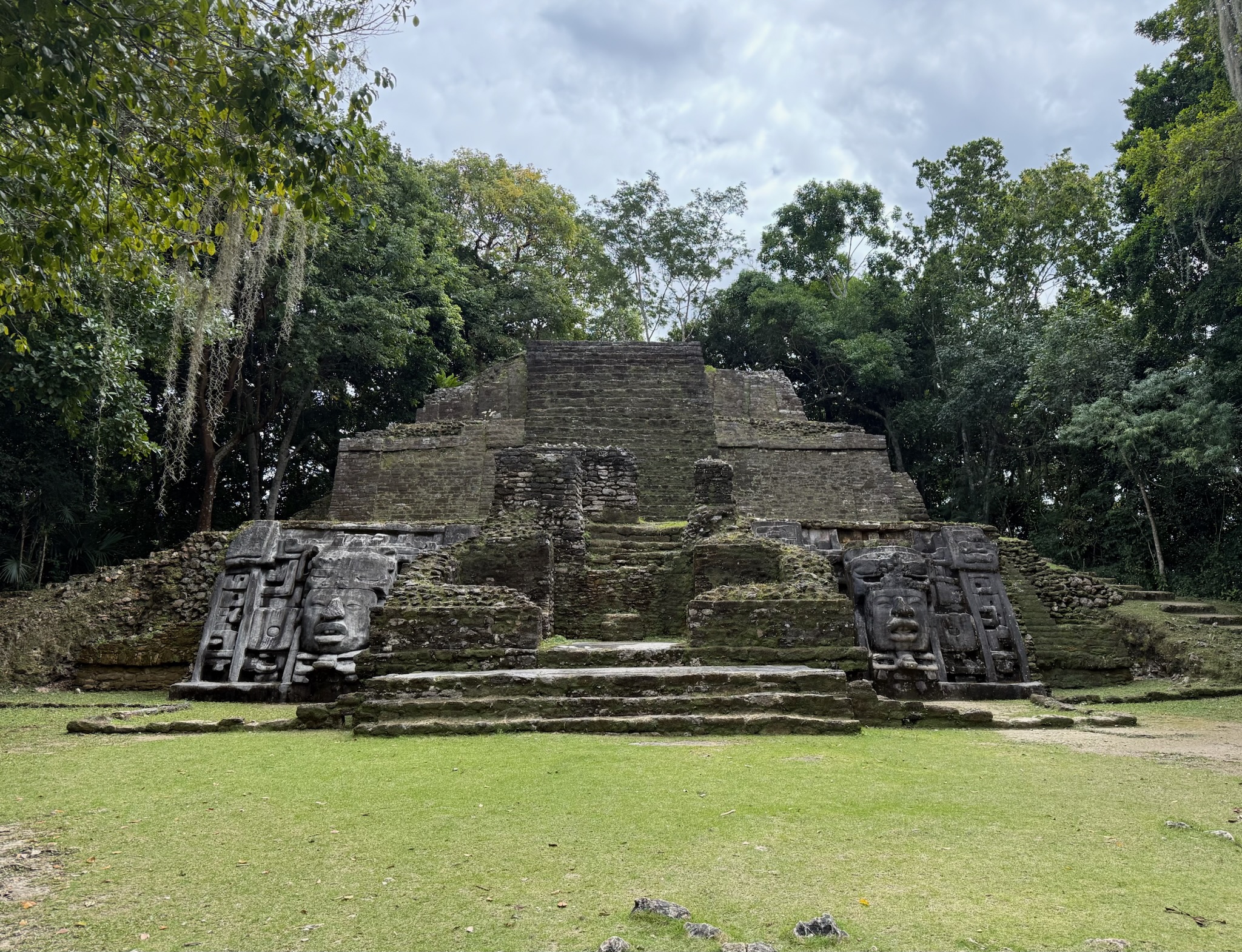
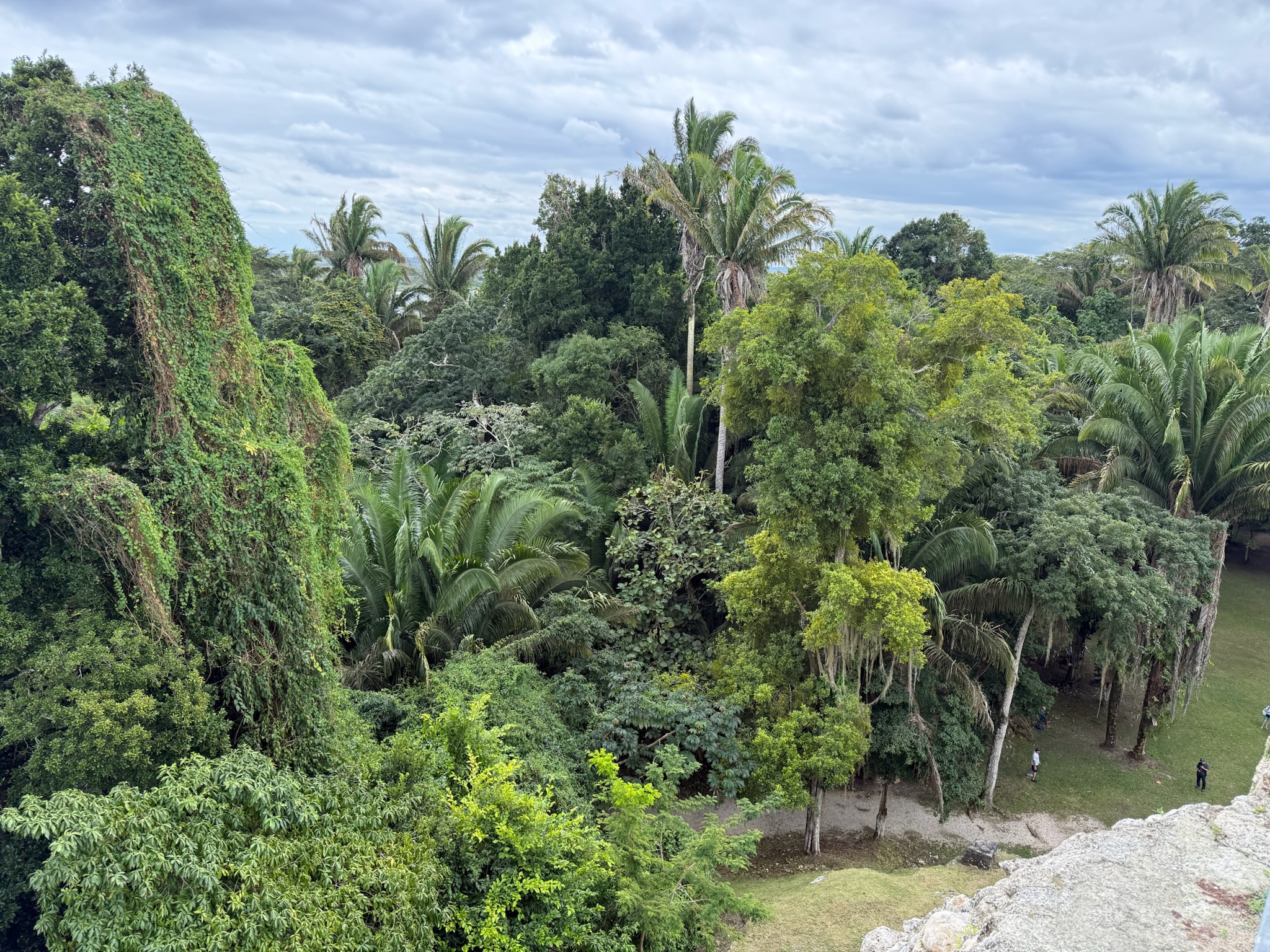
The ruins sit near a lake and rise above the jungle canopy. Climbing to the top provided expansive views, and the cooler-than-normal temperatures made the experience far more pleasant than a typical tropical climb. Howler monkeys echoed through the trees, sounding ancient and slightly ominous. The “Mesoamerican Marvels” title felt particularly appropriate that day.
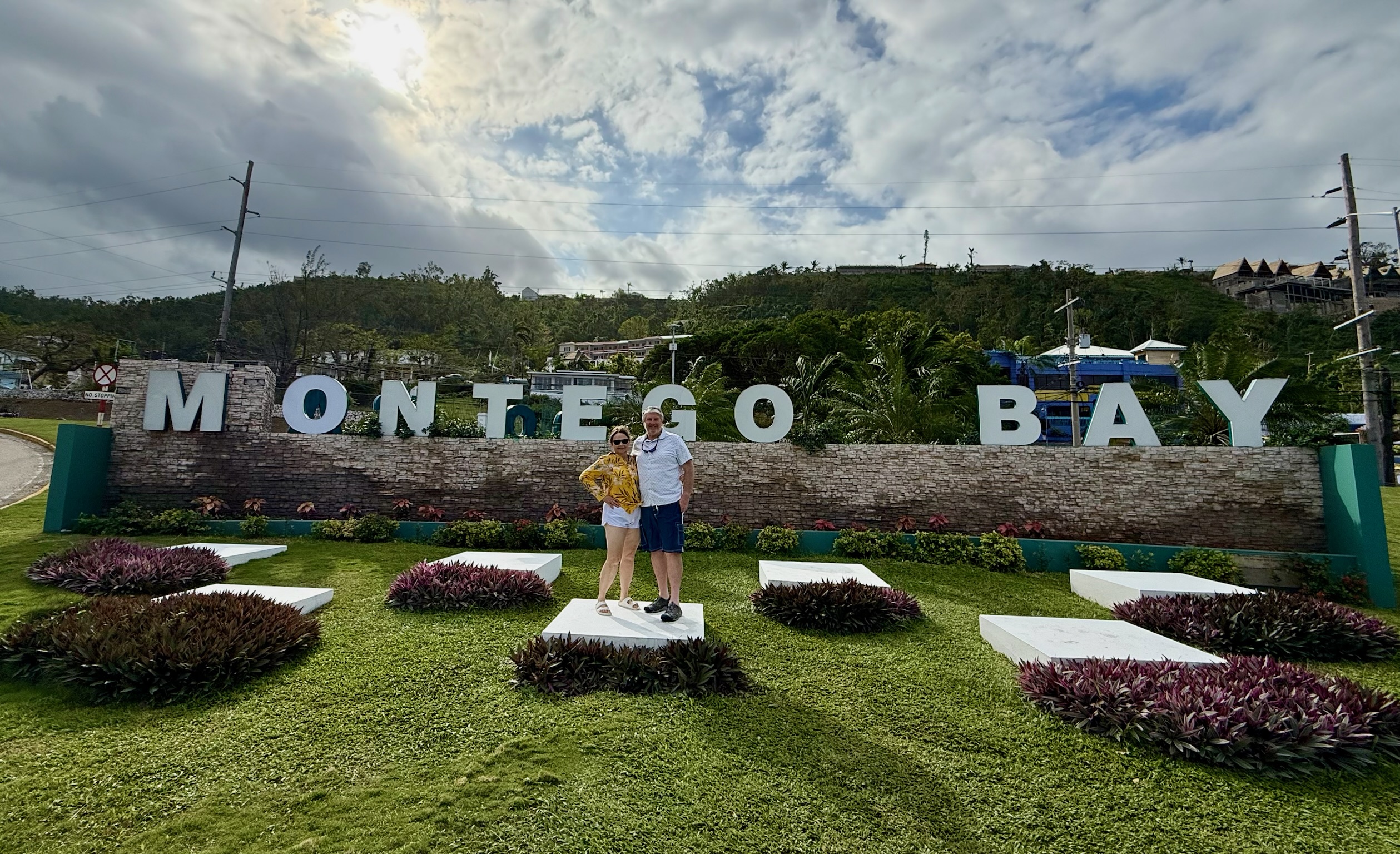
After another sea day we reached Montego Bay, Jamaica. The weather remained cool, cloudy, and windy. We hired a private driver named Cory for about six hours for $140. Money well spent. He waited patiently at each stop and offered helpful commentary. As we passed the Montego Bay sign, he pulled over on the side of a very busy roundabout, told us to run over to stones near the sign, and he’d take our picture. He was half crazy, but fun.
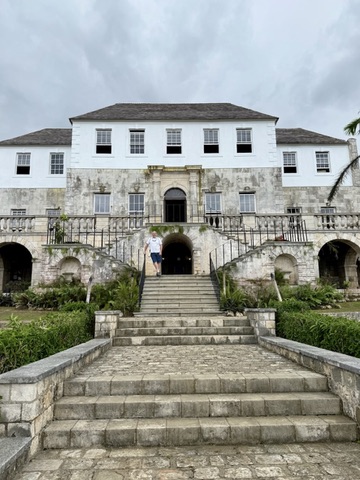
Our first stop was the Rose Hall Great House, a restored plantation mansion associated with the legend of Annie Palmer, who allegedly dispatched three husbands before meeting her own end. Haunted or not, it was a well-executed tour. Hopefully it wasn’t too instructive for my spouse.
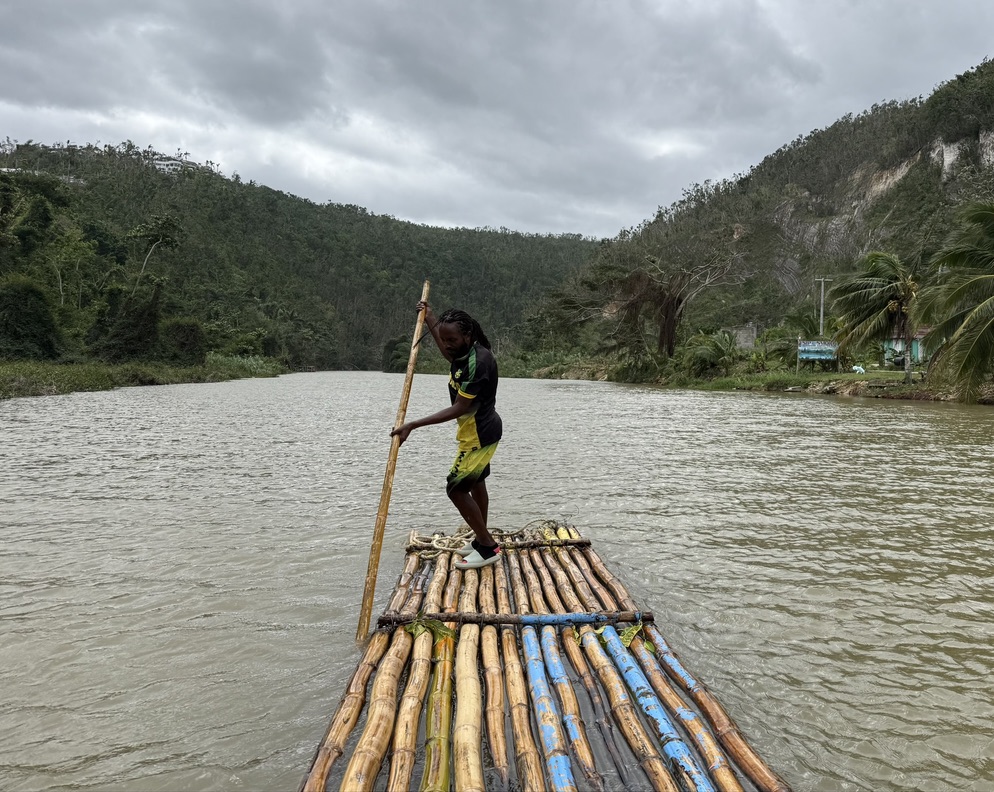
Next we visited a river for bamboo rafting. We boarded our raft under an overpass that had seen better days. The whole thing seemed sketchy. On these 20′ long and 5′ wide rafts, two passengers sit while a guide poles the raft downstream. On a warm sunny day it is likely serene. On this particular cold, windy day with murky water, it felt like budget Venice under less-than-ideal management. This is the type of experience that prompts the phrase, “Well, it’s just money.”
After our lovely raft ride, we had Cory take us to his favorite lunch spot for Jamaican Jerk. We invited him to have lunch with us, and even though he was content to sit and wait for us, he finally relented and joined in. Since we could barely communicate with the locals, we had Cory help us order a variety of his favorite things and then we sat and ate together. It was fun learning about his family, their hopes and dreams, all while enjoying his favorite foods.
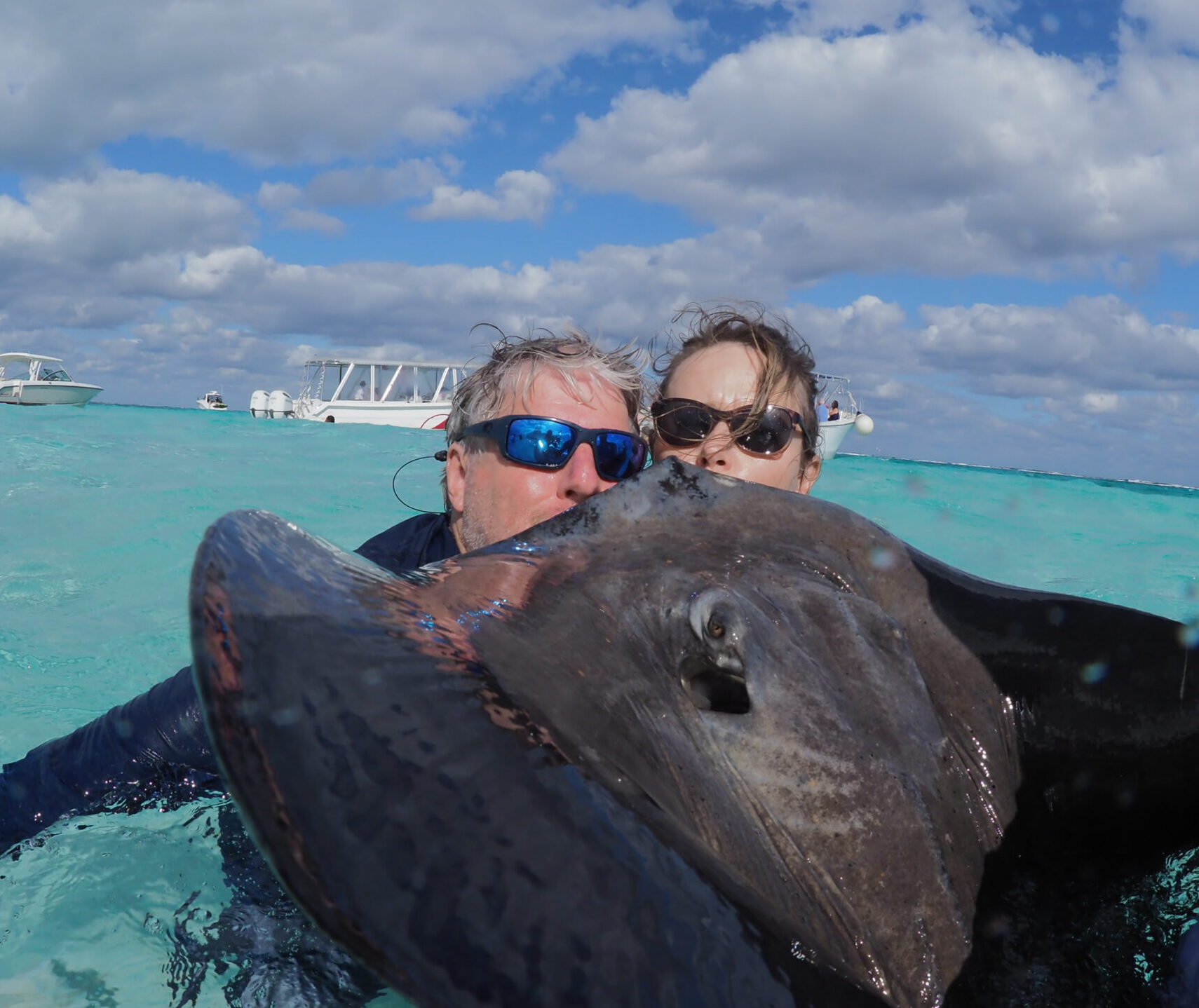
In Grand Cayman we took a catamaran to Stingray City, where we stood in shallow water on a sandbar and interacted with stingrays accustomed to visitors. They glide rather than swim, and holding one is both strange and fascinating. It was refreshing to spend meaningful time in warm water. It was a fun experience, but I don’t care if I ever get the chance to kiss a slimy stingray again. On the other hand, I think my wife enjoyed it a bit too much!
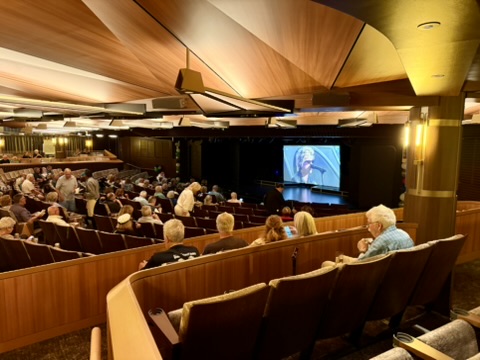
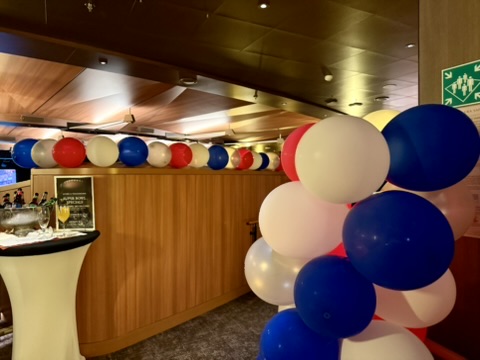
On our last Sundays at sea, the ship celebrated the Super Bowl. The auditorium became a floating stadium, with one team’s fans seated on the left and the other on the right. Each side cheered as though the Lombardi Trophy might actually be awarded on Deck 5. The crew provided themed snacks and treats, and the enthusiasm was impressive. I could not tell you who played or who won, but the atmosphere was lively, friendly, and unmistakably American—proof that even in the Caribbean, football finds a way.
After one final sea day, we returned to Miami on Monday, February 9, 2026. Disembarkation was orderly. Rather than rush straight to the airport, we stayed again in the Brickell area, easing back into land life where buildings do not move and floors remain level. However, we learned that back on land we still think things move, and it took us days to recover completely from a moving world. The next morning, February 10, we flew back to North Carolina and returned to our trailer—sunburned in places, slightly overfed, culturally enriched, and reminded that while cruising is luxurious, the simplicity of our trailer life still fits us well.
Allura proved to be beautiful and exceptionally well run. The dining was excellent, the service consistent, and the itinerary—weather adjustments included—balanced wildlife, ancient civilizations, jungle rivers, island stops, football enthusiasm, and just enough unpredictability to keep things interesting. It was elegant, educational, occasionally soggy, and thoroughly memorable.